
Tuckpointing & Repointing Services
Expert mortar restoration that protects your masonry and preserves your property value.
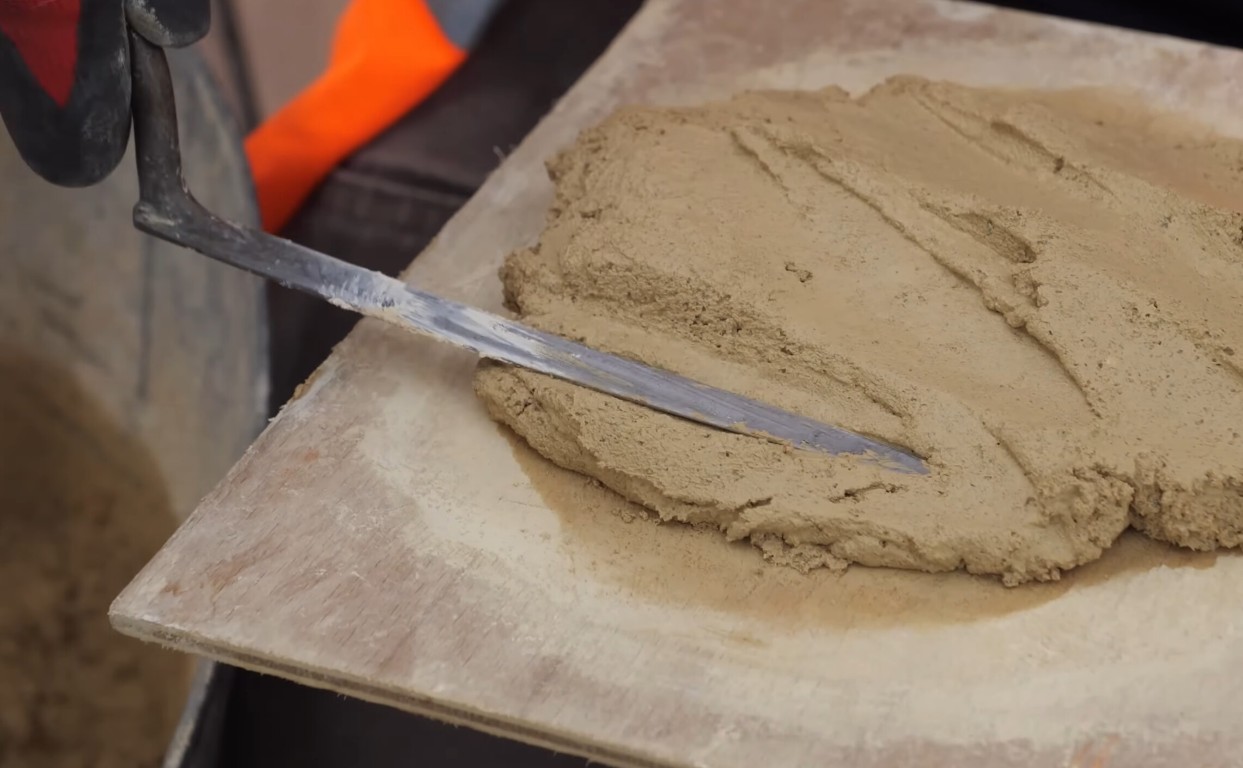
What Is Tuckpointing and Why Does It Matter?
Tuckpointing and repointing are specialized masonry techniques that restore deteriorating mortar joints between bricks or stones. While many people use these terms interchangeably, they have distinct meanings. Repointing means removing damaged mortar and replacing it with fresh material. Tuckpointing takes this a step further by using two colors of mortar to create the illusion of fine, precise joints. This technique was originally developed to make rough brickwork look more refined.
For most residential and commercial properties in Shreveport, LA, repointing is what you need. The mortar between your bricks serves critical functions. It holds the wall together structurally, creates a weather barrier, and allows the masonry to move slightly without cracking. Mortar is intentionally softer than brick so it can absorb stress and weathering while protecting the more expensive bricks. This design means mortar wears out first and needs periodic replacement.
Ignoring deteriorating mortar creates serious problems. Water enters through gaps and cracks, damaging the wall from the inside. Freeze-thaw cycles accelerate deterioration. The structural integrity of the wall weakens as mortar falls out. What starts as a cosmetic issue quickly becomes a major structural concern. Regular repointing maintains your masonry, prevents expensive repairs, and keeps your building looking great. When you catch mortar problems early, repointing is straightforward and affordable. Wait too long and you face brick replacement or even wall rebuilding.
Signs Your Mortar Needs Attention
Knowing when to call for professional repointing saves money and protects your property. Here are the warning signs that indicate your mortar joints need work.
Crumbling or Missing Mortar
The most obvious sign is mortar that crumbles when you touch it or has fallen out completely. You might see gaps between bricks or find mortar dust and pieces on the ground below your wall. This deterioration happens naturally as mortar ages, but it accelerates when water penetrates the joints. Old mortar made with lime-based formulas tends to last 70 to 100 years. Modern Portland cement mortars might only last 25 to 50 years depending on exposure and quality.
Cracks in Mortar Joints
Hairline cracks in mortar are normal and not usually concerning. However, wider cracks that continue to grow indicate a problem. Vertical cracks often result from building settlement. Horizontal cracks might signal structural issues or poor original installation. Any crack wider than a quarter inch needs professional assessment. These cracks allow water intrusion that causes rapid deterioration.
White Staining on Bricks
White, powdery deposits on your bricks are called efflorescence. This happens when water dissolves salts in the mortar or brick, then evaporates on the surface leaving the salt behind. Efflorescence itself is not dangerous, but it indicates water is moving through your masonry. This water movement causes mortar deterioration and can lead to freeze-thaw damage. If you see efflorescence, have your mortar joints inspected soon.
Gaps Between Bricks and Mortar
When mortar shrinks or deteriorates, it pulls away from the bricks creating gaps. These gaps look like thin lines or shadows along the edges of bricks. Water easily enters these openings and accelerates deterioration. Gaps also reduce the structural bond between mortar and brick. Even small gaps deserve attention before they become major problems.
Interior Water Damage
Water stains on interior walls, damp spots, or visible water entry during rain indicate that your exterior mortar has failed. By the time water reaches the interior, significant exterior damage has already occurred. This situation requires immediate attention to prevent mold growth, wood rot, and structural damage. Our brick repair services often accompany repointing when water damage has affected the bricks themselves.
Our Professional Repointing Process
Quality repointing requires skill, proper materials, and attention to detail. Here is how we approach every repointing project to ensure lasting results.
Careful Mortar Removal
We use specialized grinders and hand tools to remove deteriorated mortar to a depth of at least three-quarters of an inch. This depth ensures the new mortar has enough surface area to bond properly. Cutting too shallow results in weak repairs that fail quickly. Going too deep wastes time and material. We carefully control depth to avoid damaging bricks while creating ideal conditions for the new mortar. This step is crucial and cannot be rushed.
Thorough Cleaning
After grinding out old mortar, we clean the joints completely. Dust, debris, and loose material must be removed or the new mortar will not bond properly. We use compressed air, brushes, and water to ensure perfectly clean joints. We also wet the joints before applying new mortar. This prevents the dry bricks from sucking moisture out of the fresh mortar too quickly, which would weaken it.
Custom Mortar Matching
We carefully match the new mortar to your existing joints in color, texture, and strength. Using mortar that is harder than the original causes bricks to crack because the mortar can no longer absorb stress. We analyze your existing mortar and mix new batches that match both appearance and performance characteristics. For historic properties, we use traditional lime-based mortars when appropriate. Modern buildings typically use Portland cement mortars, but we adjust the mix ratio to match the existing material.
Expert Application and Finishing
We pack new mortar tightly into the joints, working in layers to achieve proper density and eliminate air pockets. After the mortar begins to set, we tool the joints to match your existing profile. This might be concave, V-shaped, flush, or another style. Proper tooling compacts the mortar surface and creates the correct shape for water to shed away from the joint. We time this tooling carefully because working too early smears the mortar while waiting too long makes it too hard to shape properly.
Curing and Protection
Fresh mortar needs time and proper conditions to cure fully. We protect the work from rain, extreme heat, and freezing temperatures during curing. In hot weather, we may keep the mortar damp for several days to prevent it from drying too quickly. Proper curing ensures maximum strength and durability. After curing, we clean any mortar smears or stains from the brick faces, leaving you with walls that look like new.
Frequently Asked Questions About Tuckpointing
Protect Your Masonry with Expert Repointing
Do not let deteriorating mortar damage your bricks. Contact us today for a free assessment and detailed estimate.